



What Temecula 2040 Means for Homebuyers and Residents
What is the Temecula 2040 Plan, and why should current or future residents care? Temecula 2040 is the City’s adopted Quality of Life Master Plan—a living framework used to guide planning, investment, budgeting, and community improvements as Temecula grows and matures. It does not promise that every idea will happen immediately, but it shows the priorities city leaders and residents intend to use when evaluating Temecula’s next chapter.
Temecula 2040 Is a Quality-of-Life Roadmap
The Temecula City Council adopted the Quality of Life Master Plan on November 15, 2022, following input from residents and a Blue Ribbon Committee. The City describes it as a living document rather than a fixed construction schedule. That distinction is important. The plan establishes direction and continuity, while specific projects still depend on further study, public decisions, funding, timing, and implementation.
According to the City of Temecula, the plan helps formulate and budget citywide projects and guide planning and investment decisions. In practical terms, it provides a common lens for considering how growth, public services, transportation, parks, safety, economic activity, and government responsiveness contribute to residents’ daily lives.
That is useful context for anyone evaluating a home in Temecula. Buyers naturally begin with price, square footage, condition, school considerations, and commute time. Long-term satisfaction, however, is also influenced by what happens outside the property line: how people move around the city, where they recreate, whether businesses and jobs remain healthy, and how public resources respond as the community changes.
The Seven Priorities Behind the Plan
Temecula 2040 identifies seven overarching goals: a Healthy and Livable City; Economic Prosperity; a Safe and Prepared City; a Sustainable City; Transportation, Mobility and Connectivity; Accountable and Responsible Local Government; and Equity. The City says these represent qualities residents want to maintain throughout their lives.
Together, the goals reveal that quality of life is not treated as a single issue. A park does not operate separately from safe access, transportation, fiscal stewardship, or the needs of nearby residents. A thriving business district is connected to jobs, public revenue, community services, and the ability to live, work, and play locally. Transportation is not only about major roads; the plan describes mobility as moving people and goods efficiently, safely, and cost-effectively through well-planned networks.
The Healthy and Livable City priority includes the built and natural environment, education and economic opportunities, and access to cultural, recreational, shopping, and entertainment resources. Temecula’s main Community page reflects that broad view by directing residents to parks and facilities, the Ronald H. Roberts Temecula Public Library, Temecula Theater, arts and cultural programs, youth opportunities, community services, history, and new-resident resources.
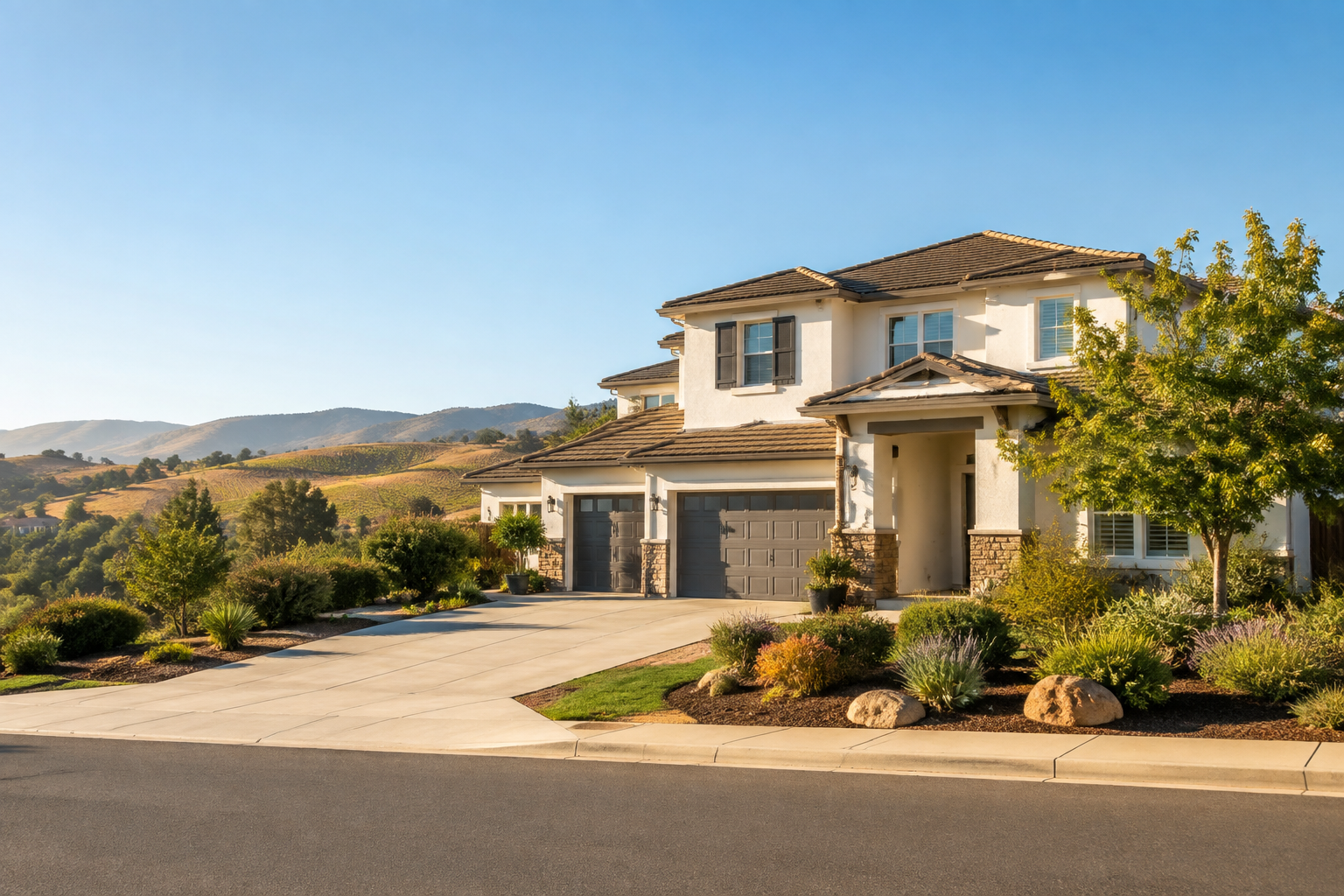
What Buyers Should Notice Beyond the Home
Temecula is made up of neighborhoods with different relationships to the city’s amenities. A buyer considering Harveston may place value on its lake-centered setting and access to the northern part of the city. Someone exploring Meadowview may be looking for larger lots and a more open neighborhood character. Buyers in Redhawk, Wolf Creek, Morgan Hill, Vail Ranch, Paloma Del Sol, or Paseo Del Sol may compare parks, shopping access, community facilities, traffic patterns, and routes to work or school.
Temecula 2040 does not rank those communities or declare one area better than another. Its value for buyers is that it encourages a more complete set of questions. How does a location work on a weekday morning? Which parks, trails, libraries, recreation programs, and shopping destinations would the household actually use? Is the home’s location compatible with the buyer’s preferred routes and routines? What city planning documents should be reviewed before purchasing near vacant land or a possible future improvement?
Those questions help buyers avoid choosing a property based only on an attractive showing. A home can be remodeled; its location within the city is permanent. Visiting a neighborhood at several times of day, reviewing official city information, and discussing individual priorities with a local real estate professional can make the search more deliberate.
Current listings can be explored through Tammy Eltzholtz’s Temecula homes-for-sale page. The goal is not simply to find available houses, but to compare how each property fits the buyer’s version of everyday life in Temecula.
What the Plan Means for Homeowners
For existing homeowners, Temecula 2040 offers a framework for following local decisions that may shape convenience, neighborhood experience, and long-term desirability. It is not a real estate forecast, and it should not be interpreted as a guarantee that a particular project will increase a home’s value. It does, however, identify the categories the City uses to connect public investment with quality of life.
Homeowners can use the plan as a starting point when reviewing council agendas, city budgets, general-plan information, transportation discussions, park improvements, and public-safety priorities. The City’s website also provides a feedback email and an email-list subscription for Quality of Life Master Plan updates.
That participation matters because the City describes the plan as a partnership with residents. A living document remains most useful when the community understands it, follows how priorities are translated into decisions, and contributes informed feedback.
A Practical Way to Use Temecula 2040
The best way to read the plan is as a guide to questions, not a list of guaranteed outcomes. Buyers can use its seven priorities to evaluate location and lifestyle. Homeowners can use them to organize the city issues they want to follow. Sellers can better understand which community qualities may matter to future buyers, while still relying on current comparable sales and property-specific information when discussing value.
Temecula’s appeal has always involved a combination of housing, schools, parks, commerce, Old Town, community programs, and access to Wine Country. Temecula 2040 shows how the City intends to think about preserving that quality of life while preparing for future needs.
Frequently Asked Questions
When was the Temecula 2040 Plan adopted?
The City Council adopted the Quality of Life Master Plan on November 15, 2022.
Does Temecula 2040 guarantee specific projects?
No. It guides priorities, planning, budgeting, and investment; individual projects require separate decisions and implementation.
Where can residents follow the plan?
The City’s Temecula 2040 and Quality of Life Master Plan webpages provide the plan, priorities, background, and feedback information.
If you are considering a move within Temecula or buying your first home in the city, contact Tammy Eltzholtz with BHHS CA Properties, DRE #02169523, at (951) 216-4231. Explore current Temecula homes for sale.
Sources
Accessed September 14, 2026: